Posted on — 1 Comment

Stargazing Guide: Plan a Night Sky Field Trip for Kids

three children pointing at the night sky
text that says share this post

There’s nothing quite like stepping outside on a clear night and gazing up at the stars. A night sky field trip is a fantastic way to bring hands-on science and astronomy into your homeschool or learning groupโ€”no expensive equipment is required! With just a little planning, you can explore the wonders of the universe, from identifying constellations to spotting planets, meteor showers, and more. In this guide, you’ll find simple steps to help you prepare, along with tips for making your stargazing adventure a success. Grab a blanket, check the night sky forecast, and get ready for an unforgettable learning experience under the stars!

A Note for Teachers:ย If youโ€™re an educator planning toย teach the night sky, great learning resources are key to deepening understanding! I think you and your students will love myย complete printable Night Sky Unit (plus youโ€™ll support my blog with your purchase! โค๏ธ)

Purpose

The purpose of this field trip is to observe some of the night sky phenomena that your class studied during your space & night sky unit. Students can practice identifying night sky objects, including lunar phases, constellations, planets, and more.

Suggested Materials

  • Constellation information cards – printable cards are included in my night sky unit and also sold as individual printable sets for Zodiac and Northern Hemisphere constellations
  • Compass
  • A star chart
  • Flashlight
  • Warm layers
  • Binoculars (optional)
  • Telescope (optional)
  • Student worksheets – available in my night sky unit

Preparations

  • To find constellations, I recommend finding a star chart for your location and season in advance. For example, you can find online star charts from websites like Stellarium Web or Sky and Telescope (external links).
  • In advance, look up any night sky phenomena you expect to observe. Here are a few helpful web links for staying in the know about what’s happening in the night sky (external links):

Directions

  1. Go to a dark, open area away from city lights and tall trees/buildings that block the view of the sky.
  2. Find the Moon and identify the phase.
  3. Use the compass to orient yourself. This will help you interpret the star chart.
  4. Use the star chart to identify constellations in your area.
  5. Northern Hemisphere only: use the constellation Ursa Minor to locate the North Star (Polaris). The North Star never moves in the sky, while the rest of the stars and constellations rotate around it over time. This makes the North Star useful for navigation.
  6. If itโ€™s dark enough, find the Milky Way. The Milky Way looks like a grayish band across the night sky.
  7. Locate any planets currently visible in the night sky. Once you locate a planet, view it through your binoculars or telescope, if possible. Does it look different from the stars?
  8. Take note of any other night sky phenomena, which may vary depending on your location and the time of year. E.g., meteor showers, satellites, lunar eclipse, polar lights, etc…

Related Activities

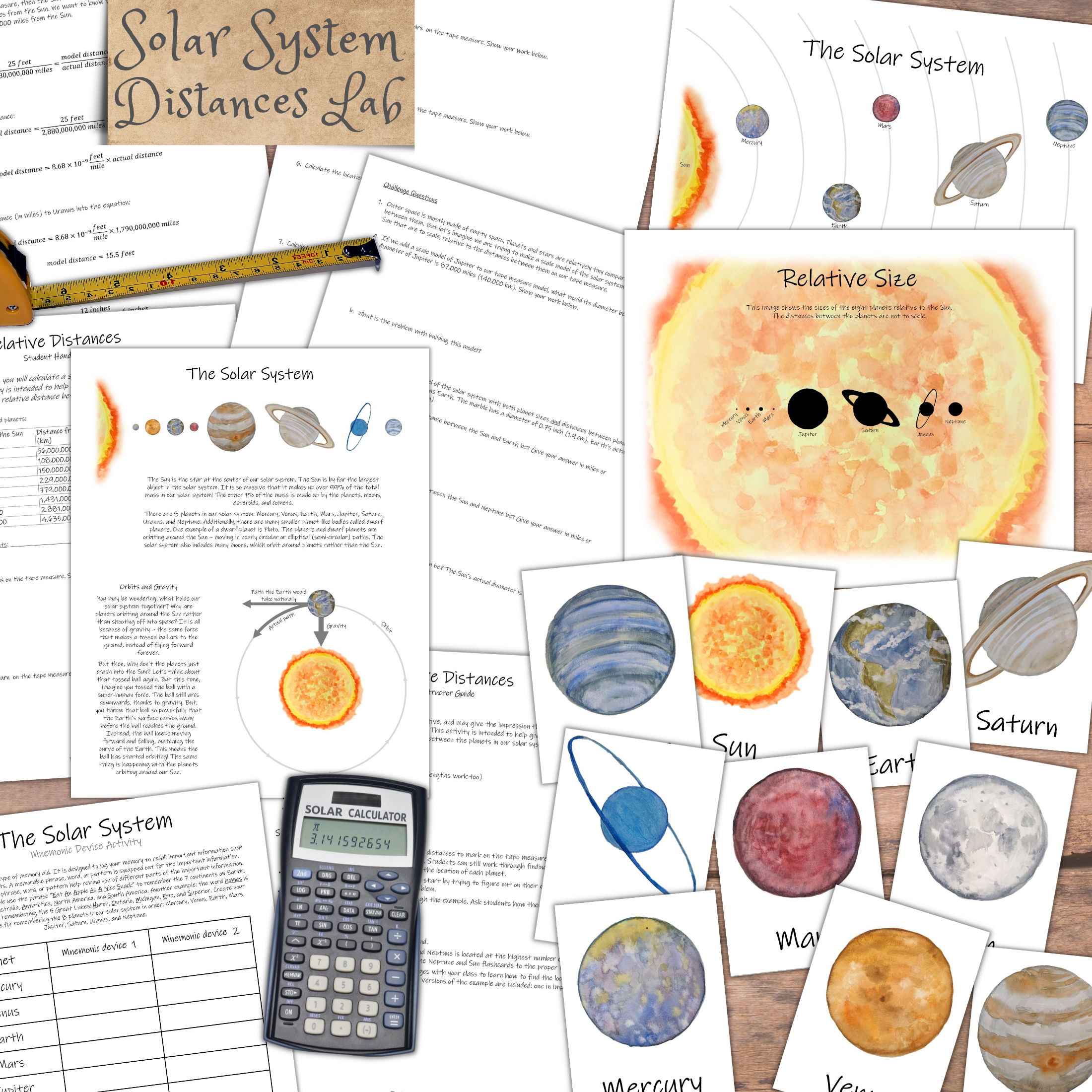
Looking for more ways to explore outer space in your classroom or homeschool? Try this solar system distances lab or this constellations snack activity. You can also check out this list of 11 outer space activity ideas and this guide to 9 sun and star activities!

Everything you need to learn about the night sky:

Trying to plan the perfect Night Sky lesson for your classroom or homeschool to go along with your night sky field trip? Iโ€™ve already created it for you! This set includes all the printable materials you need for studying night sky objects and outer space!

Explore more lessons from Wild Earth Lab:

If you enjoyed this post, I know you will love trying my other printable science and nature units in your classroom too!


Are you interested in reading more posts like this? Subscribe or follow Wild Earth Lab using the links below!


Subscribe, share, and comment:

Posted on — Leave a comment

Stargazing for Beginners: 9 Incredible Objects to Spot in the Night Sky

illustrations of planets, satellites, and meteors
text that says share this post

The night sky is full of incredible sightsโ€”you just need to know what to look for! Whether you’re gazing up from your backyard or planning a stargazing lesson, there’s so much to discover beyond just stars. From planets and galaxies to satellites and shooting stars, this guide will introduce nine fascinating night sky objects you can spot with the naked eye or a simple pair of binoculars. Grab a cozy blanket, head outside, and get ready to explore the wonders of the night sky!

A Note for Teachers: If youโ€™re an educator planning to teach the night sky, great learning resources are key to deepening understanding! I think you and your students will love my complete printable Night Sky Unit (plus youโ€™ll support my blog with your purchase! โค๏ธ)

The Moon

The Moon is the largest and brightest object in the night sky. It is about one-quarter the diameter of Earth and shines because it reflects light from the Sun. The Moon goes through all its phases once every 29.5 days.

If you are lucky, you might even be able to watch a lunar eclipse! Read about lunar eclipses and find the dates of upcoming eclipses.

photo of moon on a dark sky
A crescent moon in the night sky. Photo by Rok Romih on Pexels.com

Planets

Planets in our solar system can be seen from Earth. To the naked eye, they look like stars, but some appear larger and brighter because they are closer to Earth or reflect more sunlight. Venus and Jupiter are two of the brightest planets in the night sky!

To see the details of a planet, you will need a good telescope. Even though planets are large, they are so far away that they look like dots of light to the naked eye. To grasp the massive scale of our solar system, try out this solar system distance lab activity.

Crescent Jupiter with the Great Red Spot
Jupiter (telescope). Crescent Jupiter with the Great Red Spot by NASA’s Marshall Space Flight Center is licensed under CC-BY-NC 2.0

Stars

Stars are huge balls of hot gases held together by gravity. Our Sun is a star, but there are many others in our galaxy. Stars shine brightly or faintly depending on how much light they produce and how far away they are.

Constellations are patterns that people see in the stars.  With a little imagination, you can see people, animals, mythical beasts, and other images in the skyโ€™s stars! Today, the International Astronomical Union recognizes 88 modern constellations. You can learn more about constellations in this blog: read about the Zodiac Constellations and easy-to-find constellations for beginner stargazers in the Northern Hemisphere.

silhouette of trees and mountain under blue starry sky
The starry night sky. Photo by Sindre Fs on Pexels.com

Comets

Comets are icy chunks of space rock that orbit the Sun. Unlike planets, their orbits are long and stretched out. Comets are visible only when they travel close to the Sun, appearing as a speck of light with a faint, glowing tail.

star flying through the sky
Photo by Scott Lord on Pexels.com

Meteors/Shooting Stars

Shooting stars happen when tiny space rocks burn up while entering Earthโ€™s atmosphere. They appear as quick, bright streaks of light across the night sky.

Lots of meteors can be seen during meteor showers when Earth passes through a cometโ€™s debris trail. Different meteor showers take place at different times. You can look up the dates of meteor showers here (external link).

meteoroid in the sky
A shooting star over a house. Photo by Thirdman on Pexels.com

Galaxies

Galaxies are massive groups of stars, gas, dust, and dark matter held together by gravity. They come in different shapes, like spirals and ellipses. The Andromeda Galaxy, our closest neighboring galaxy, can be seen without a telescope in very dark skies.

gray and black galaxy wallpaper
A spiral-shaped galaxy. Photo by Pixabay on Pexels.com

Our Galaxy: The Milky Way

The Milky Way is our galaxy. When we see it in the night sky, we are viewing it from the inside! From Earth, it looks like a cloudy, gray streak across the sky, but from the outside, it would look like a giant spiral.

night sky
The milky way (and a shooting star). Photo by Neale LaSalle on Pexels.com

Aurora (Polar Lights)

The aurora is seen near the poles in winter. These glowing lights look like swirling ribbons or curtains and happen when charged particles from the Sun meet Earthโ€™s magnetic field.

aurora borealis
The aurora in the night sky. Photo by Visit Greenland on Pexels.com

Human-made Objects

Human-made objects, like satellites, can also be seen in the night sky. Satellites move steadily across the sky and donโ€™t blink like airplanes. They help with communication, navigation, and more.

You can even see the International Space Station pass through the night sky if you know when to look. Track the International Space Station here (external link).

electric lamp over black background
Satellite, photographed from space. Photo by Pixabay on Pexels.com

What’s Next?

Ready to learn more about the night sky or outer space? Read my posts about lunar eclipses and solar eclipses! You can also read more about the life cycle of a star. If you’re an educator, try out these 11 outer space activity ideas for kids or these 9 sun and star classroom activities!

Study this night sky with Wild Earth Lab!

Trying to plan the perfect Night Sky lesson for your classroom or homeschool? Iโ€™ve already created it for you! This set includes all the printable materials you need for studying night sky objects and outer space!

Explore more lessons from Wild Earth Lab:

If you enjoyed this post, I know you will love trying my other printable science and nature units in your classroom too!


Are you interested in reading more posts like this? Subscribe or follow Wild Earth Lab using the links below!


Subscribe, share, and comment:

Posted on — Leave a comment

Explore the Universe: 11 Hands-On Night Sky and Outer Space Activities

stargazer with telescope
text that says share this post

Wild Earth Lab is supported by readers like you. This post includes links to my own products and affiliate products. If you purchase through links on my site, I may earn a small commission at no additional cost to you.

Studying the night sky is a great way to spark curiosity and wonder about the universeโ€”and the best way to learn is by doing! Whether you’re teaching about constellations, the solar system, or space exploration, these hands-on activities will bring astronomy to life in your classroom or homeschool. From creative art projects and snack activities to real-world stargazing, this list has something for every young space enthusiast. Plus, I’ve included links to both free and paid ready-to-use materials to make your space lessons even more engaging. Get ready to explore the cosmos with your students with 11 hands-on space activities.

A Note For Teachers: If youโ€™re an educator planning to teach the night sky in your classroom, great activities & visuals are key to deepening understanding! Materials for many of the night sky and space activities in this post are included in my Night Sky Unit. It’s a bundle of printable classroom resources for learning all about the night sky and space (plus youโ€™ll support my blog with your purchase! โค๏ธ)

Constellation Snacks

Form different constellations using mini marshmallows as stars and pretzel sticks as the lines. Then eat them!

Constellation printable classroom materials – includes the printable directions and constellation image cards needed for this activity (purchase)

Online directions (free)

constellation flashcards and constellations made from pretzel sticks and marshmallows
A constellation snack activity!

Night Sky Scratch Art

Try scratch art; itโ€™s the perfect artistic medium for drawing objects in the night sky like stars, meteors, and planets!

Make your own scratch art boards guide (external link)

Purchase scratch art supplies (external link)

scratch art of an owl and the moon
Scratch art of the moon and stars.

Planetarium Field Trip

Plan a trip to a planetarium if thereโ€™s one in your area. At a planetarium, your program guide may show you how to identify stars and planets, tell you about constellation mythology, or teach you about deep-space objects.

Find a planetarium near you (external link)

Phases of the Moon Snack

Make the Moonโ€™s phases from crรจme-filled sandwich cookies. Remove the top cookie and part of the crรจme to create each lunar phase.

Printable worksheet and directions for this activity (Available to this blog’s newsletter subscribers on my Free Resources Page!)

Moon mini study printables (purchase)

moon phases sandwich cookie (e.g., Oreo) activity worksheets

Distance Model

Make a mini model of our solar system. Calculate each planetโ€™s relative distance from the Sun on a tape measure and mark it.

Distance model worksheets & printable directions (purchase)

Online directions (free)

Spot the International Space Station

If you know when and where to look, you can watch the International Space Station as it passes through the night sky above your area.

Track the International Space Station online (external link)

Star Charts

Find a star chart for your location and season. Head outside to a dark area at night and try to locate some constellations and stars. For recommended websites for online star charts, visit WildEarthLab.com/night-sky

Stellarium online star chart (external link)

Sky & Telescope online star chart (external link)

Constellation printable classroom materials (purchase)

Constellation printable classroom materials

Watch a Meteor Shower

Mark the dates of the next meteor shower on your calendar. Go to a dark area away from city lights and see how many shooting stars you can spot.

Find a meteor shower (external link)

meteoroid in the sky
A meteor seen over a house. Photo by Thirdman on Pexels.com

Eclipse Model

Model eclipses using two orbs on sticks and a flashlight. For a lunar eclipse: place the larger orb (Earth) between the light source and the smaller orb (Moon) to cast a shadow over the smaller orb. For a solar eclipse: place the smaller orb (Moon) between the light source and the larger orb (Earth).

Lunar eclipse mini study (purchase)

Solar eclipse mini study (purchase)

Read my blog posts all about solar eclipses and lunar eclipses (free)

eclipse worksheets and handouts

Become an Astrophotographer

Head outside to a dark area and capture pictures of the stars, Moon, planets, and more! Some smartphones have an astrophotography setting. A tripod will help keep the phone/camera still.

Lunar photography guide from NASA (external link)

A Guide to Smartphone Astrophotography; free online book from NASA (external link)

night sky
A photo of the Night sky. Photo by Neale LaSalle on Pexels.com

Moon Calendar

Print or create a calendar that shows the phase of the Moon on each day for the current month.

Free moon calendar (external link)

Printable moon activity pack (purchase)

Grab the complete set from Wild Earth Lab!

Thereโ€™s no need to scramble to pull together the perfect Night Sky lesson materials  โ€“ Iโ€™ve already created them for you! This set is a big bundle of many night sky printable materials and activities, many of which were linked in the blog post.

AND for even more outer space activities, try out my complete Sun and Stars Unit!

Explore more lessons from Wild Earth Lab:

If you enjoyed the space activities in this post, I know you will love trying my other printable science and nature units in your classroom too!


Are you interested in reading more posts like this? Subscribe or follow Wild Earth Lab using the links below!


Subscribe, share, and comment:

Posted on — Leave a comment

Stages of a Lunar Eclipse: what to expect while viewing a lunar eclipse

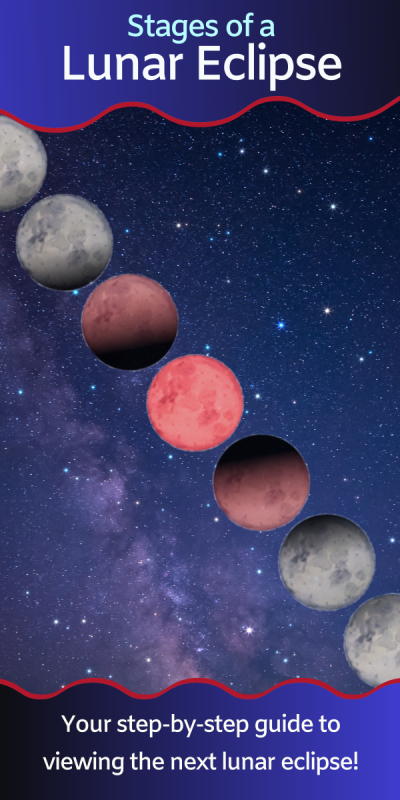
illustrations of a lunar eclipse across the night sky
text that says share this post

A lunar eclipse is more than just a breathtaking sightโ€”itโ€™s a celestial event with distinct phases, each offering something unique to observe. As the Moon moves through Earthโ€™s shadow, youโ€™ll see subtle changes unfold, from the first faint dimming to the dramatic moment of totality. In this guide, weโ€™ll walk through each stage of a lunar eclipse, so you know exactly what to watch for when the eclipse happens later this month (March 2025)! Get ready to experience the night sky like never before!

A Note For Teachers:ย If youโ€™re an educator planning toย teach the stages of a lunar eclipse, great learning resources are key to deepening understanding! I think you and your students will love my printable lunar eclipse mini study, which you can also find within my complete Night Sky Unit (plus youโ€™ll support my blog with your purchase! โค๏ธ)

What is a lunar eclipse?

A lunar eclipse happens when the Moon passes through the Earthโ€™s shadow. From Earth, this can look like the Moon goes through all of its phases in a single night, over several hours.

To understand the stages of a lunar eclipse, you need to understand shadows. Earthโ€™s shadow has two parts: the penumbra (a partial shadow) and the umbra (a total shadow). When the Moon is in the penumbra, it looks only a little dimmer. But when itโ€™s in the umbra, the Moon darkens and may turn a spooky red!

Want more background information on eclipses? You can read more about how lunar eclipses work in this blog post.

timelapse photography of moon
A total lunar eclipse. Photo by Samer Daboul on Pexels.com

Before the Lunar Eclipse

Before the eclipse begins, the moon will be a regular full moon. Lunar eclipses only happen during a full moon when the Moon is directly opposite the Sun on the other side of Earth. But why donโ€™t we have a lunar eclipse with every full moon? Itโ€™s because the Moonโ€™s orbit is slightly tilted, so most of the time, it passes just above or below Earthโ€™s shadow. On rare occasions, when the Sun, Earth, and Moon line up perfectly, the Moon passes right through Earthโ€™s shadow, creating a lunar eclipse. Once the eclipse begins, the Earth’s shadow will start covering the Moon.

First Contact

First contact is the official beginning of a (penumbral) lunar eclipse. First contact is when the Earth’s penumbra (partial shadow) touches the edge of the Moon. You may not notice much at the time of first contact. Following first contact, the Moon may start appearing very slightly darker as it becomes shaded by the penumbra. Total darkness won’t start spreading across the surface of the Moon until it enters Earth’s umbra (total shadow)

Second Contact

The second contact is when the Earth’s umbra first touches the Moon’s edge. This officially marks the beginning of a partial lunar eclipse. Following the second contact, a much more noticeable darkness will start gradually spreading across the face of the Moon. The Moon may appear to be waning (relatively) rapidly, over an hour or so.

Third Contact

The third contact is when the Moon becomes fully shaded by the Earthโ€™s umbra. This is when the total lunar eclipse begins. Depending on the eclipse, the totality phase may last minutes or over an hour. During this stage, you can see the moon but it looks very unusual.

When the Moon is centered in the Earthโ€™s shadow, it will appear dark and reddish. Why? Itโ€™s because Earthโ€™s atmosphere bends sunlight, scattering blue light and bending red and orange light to reach the Moon. This same phenomenon is why sunsets appear reddish.

Fourth Contact

The fourth contact is when the Moon exits the Earth’s umbra, ending the total lunar eclipse. After the fourth contact, you will see a growing white-ish crescent of the Moon. The Moon will appear to wax (relatively) rapidly, over an hour or so.

Fifth Contact

At the fifth contact, the Moon leaves the Earthโ€™s umbra and the partial eclipse ends. At this point, the Moon will appear full again, though slightly darker than normal because the Moon is still shaded by the Earth’s penumbra.

Sixth Contact

The sixth contact happens when the Moon fully leaves the Earth’s penumbra. This is the end of the eclipse. The moon appears like a regular full moon again.

Study this topic with Wild Earth Lab!

Hey teachers! Thereโ€™s no need to scramble to put together the perfect lunar eclipse lesson ย โ€“ Iโ€™ve already created it for you! This set includes all the printable materials you need for studying the stages of a lunar eclipse!

Or – you’ll also find all the same lunar eclipse materials plus tons more in my complete Night Sky Unit. Check it out:

Explore more lessons from Wild Earth Lab:

If you enjoyed this post, I know you will love trying my other printable science and nature units in your classroom too!


Are you interested in reading more posts like this? Subscribe or follow Wild Earth Lab using the links below!


References and Further Reading

  1. Fraknoi, A., Morrison, D., Wolff, S. C., (2016). Astronomy. OpenStax. Available: https://openstax.org/books/astronomy/pages/1-6-a-tour-of-the-universe
  2. NASA (n.d.). The Moon and Eclipses. Available: https://science.nasa.gov/moon/eclipses/
  3. Oโ€™Callaghan, J. (n.d.). Lunar eclipse guide: what they are, when to see them and where. Natural History Museum. Available: https://www.nhm.ac.uk/discover/lunar-eclipse-guide-what-they-are-when-to-see-them-and-where.html
  4. Time and Date (n.d.). Solar and Lunar Eclipses Worldwide โ€“ Next 10 Years. Available: https://www.timeanddate.com/eclipse/list.html
  5. Time and Date (n.d.). March 13โ€“14, 2025 Total Lunar Eclipse (Blood Moon)
    . Available: https://www.timeanddate.com/eclipse/lunar/2025-march-14

Subscribe, share, and comment:

Posted on — Leave a comment

Your Guide to the Lunar Eclipse

Lunar Eclipse stages diagram and info
text that says share this post

A lunar eclipse is a breathtaking celestial event that offers a perfect opportunity to spark curiosity about the moon, space, and astronomy in your classroom or homeschool. In this guide, weโ€™ll explore what causes a lunar eclipse, the different types, how it compares to a solar eclipse, and the best ways to view one. Plus, I’ve included a list of dates for upcoming lunar eclipses so you can plan ahead!

A Note for Teachers:ย If youโ€™re an educator planning toย teach lunar eclipses, great learning resources are key to deepening understanding! I think you and your students will love myย Lunar Eclipse Mini Study, which you can also find within my complete Night Sky Unit (plus youโ€™ll support my blog with your purchase! โค๏ธ)

What is a Lunar Eclipse

A lunar eclipse happens when the Moon passes through the Earthโ€™s shadow. From Earth, this can look like the Moon goes through all of its phases in a single night, over several hours. When the Moon is centered in the Earthโ€™s shadow, it will appear dark and reddish. Why? Itโ€™s because Earthโ€™s atmosphere bends sunlight, scattering blue light and bending red and orange light to reach the Moon.

Lunar eclipses only happen during a full moon when the Moon is directly opposite the Sun on the other side of Earth. But why donโ€™t we have a lunar eclipse with every full moon? Itโ€™s because the Moonโ€™s orbit is slightly tilted, so most of the time, it passes just above or below Earthโ€™s shadow. On rare occasions, when the Sun, Earth, and Moon line up perfectly, the Moon passes right through Earthโ€™s shadow, creating a lunar eclipse.

To understand a lunar eclipse, you need to understand shadows. Earthโ€™s shadow has two parts: the penumbra (a partial shadow) and the umbra (a total shadow). When the Moon is in the penumbra, it looks only a little dimmer. But when itโ€™s in the umbra, the Moon darkens and may turn a spooky red!

My lunar eclipse artwork and diagram.

Types of Lunar Eclipses

There are three main types of lunar eclipses:

โ€ขTotal: The Moon is completely shaded by Earthโ€™s umbra. This is the most dramatic and the type where you might see that deep red coloring during the middle part of the eclipse.

โ€ขPartial: Only part of the Moon enters Earthโ€™s umbra.

โ€ขPenumbral: The Moon stays in Earthโ€™s penumbra, appearing just slightly darker.

Lunar vs Solar Eclipses

Lunar eclipses are not the only type of eclipses. There are also solar eclipses which are quite different. The main difference is in how the Earth, Moon, and Sun are lined up. During a lunar eclipse, the Earth is between the Sun and Moon, so that the Moon is covered in shadow. On the other hand, during a solar eclipse, the moon is between the Sun and Earth, so that part of the Earth is in the Moon’s shadow.

Another big difference between lunar and solar eclipses is when they happen. Solar eclipses can only happen during the daytime, while lunar eclipses happen at night. Interested in learning more about solar eclipses too? Continue reading about solar eclipses, their stages, and how to view them.

Viewing a Lunar Eclipse

To see a lunar eclipse, it must be nighttime where you are. Unlike a solar eclipse, itโ€™s perfectly safe to watch a lunar eclipse with your eyes. The best spot to view is somewhere dark, with little light pollution, and a clear view of the sky. Binoculars or a telescope can help you see the details better. Lunar eclipses take several hours, with the total eclipse phase lasting anywhere from a few minutes to over an hour. Lunar eclipses are rare and amazing events โ€“ be sure to catch one when you can!

timelapse photography of moon
Stages of a total lunar eclipse over time. Photo by Samer Daboul on Pexels.com

Upcoming Total Lunar Eclipses

Are you hoping to catch a total lunar eclipse? Viewing a lunar eclipse is a memorable experience for adults and kids of all ages. Seeing an eclipse is also a wonderful educational opportunity to learn about orbits, planets, stars, and more!

Here are the dates of several upcoming total lunar eclipses:

  • March 14, 2025
  • September 7, 2025
  • March 3, 2026
  • December 31, 2028
  • June 26, 2029
  • Dec 20-21, 2029
  • April 25, 2032
  • October 18, 2032
  • April 14, 2033
  • October 8, 2033

Source: TimeAndDate.Com

Study this topic with Wild Earth Lab!

My printable learning materials include tons of diagrams, posters, and worksheets that I’ve designed to enhance and complement your studies of the moon and eclipses:

  • Lunar Eclipse mini study: worksheets and diagrams for studying and watching lunar eclipses
  • The Night Sky complete unit: includes all the materials from the mini study plus tons more

Explore more lessons from Wild Earth Lab:

If you enjoyed this post, I know you will love trying my other printable science and nature units in your classroom too!


Are you interested in reading more posts like this? Subscribe or follow Wild Earth Lab using the links below!


References and Further Reading

  1. Fraknoi, A., Morrison, D., Wolff, S. C., (2016). Astronomy. OpenStax. Available:ย https://openstax.org/books/astronomy/pages/1-6-a-tour-of-the-universe
  2. NASA (n.d.). The Moon and Eclipses. Available:ย https://science.nasa.gov/moon/eclipses/
  3. Oโ€™Callaghan, J. (n.d.). Lunar eclipse guide: what they are, when to see them and where. Natural History Museum. Available:ย https://www.nhm.ac.uk/discover/lunar-eclipse-guide-what-they-are-when-to-see-them-and-where.html
  4. Time and Date (n.d.). Solar and Lunar Eclipses Worldwide โ€“ Next 10 Years. Available: https://www.timeanddate.com/eclipse/list.html

Subscribe, share, and comment: