


There’s nothing quite like stepping outside on a clear night and gazing up at the stars. A night sky field trip is a fantastic way to bring hands-on science and astronomy into your homeschool or learning group—no expensive equipment is required! With just a little planning, you can explore the wonders of the universe, from identifying constellations to spotting planets, meteor showers, and more. In this guide, you’ll find simple steps to help you prepare, along with tips for making your stargazing adventure a success. Grab a blanket, check the night sky forecast, and get ready for an unforgettable learning experience under the stars!
A Note for Teachers: If you’re an educator planning to teach the night sky, great learning resources are key to deepening understanding! I think you and your students will love my complete printable Night Sky Unit (plus you’ll support my blog with your purchase! ❤️)
Purpose
The purpose of this field trip is to observe some of the night sky phenomena that your class studied during your space & night sky unit. Students can practice identifying night sky objects, including lunar phases, constellations, planets, and more.
Suggested Materials
- Constellation information cards – printable cards are included in my night sky unit and also sold as individual printable sets for Zodiac and Northern Hemisphere constellations
- Compass
- A star chart
- Flashlight
- Warm layers
- Binoculars (optional)
- Telescope (optional)
- Student worksheets – available in my night sky unit
Preparations
- To find constellations, I recommend finding a star chart for your location and season in advance. For example, you can find online star charts from websites like Stellarium Web or Sky and Telescope (external links).
- In advance, look up any night sky phenomena you expect to observe. Here are a few helpful web links for staying in the know about what’s happening in the night sky (external links):
- International Space Station tracker – SpotTheStation site from NASA
- The American Meteor Society offers info on upcoming meteor showers
- Look up the moon’s rise and set times for your location with The Old Farmer’s Almanac
- A list of the dates of upcoming lunar eclipses
Directions
- Go to a dark, open area away from city lights and tall trees/buildings that block the view of the sky.
- Find the Moon and identify the phase.
- Use the compass to orient yourself. This will help you interpret the star chart.
- Use the star chart to identify constellations in your area.
- Northern Hemisphere only: use the constellation Ursa Minor to locate the North Star (Polaris). The North Star never moves in the sky, while the rest of the stars and constellations rotate around it over time. This makes the North Star useful for navigation.
- If it’s dark enough, find the Milky Way. The Milky Way looks like a grayish band across the night sky.
- Locate any planets currently visible in the night sky. Once you locate a planet, view it through your binoculars or telescope, if possible. Does it look different from the stars?
- Take note of any other night sky phenomena, which may vary depending on your location and the time of year. E.g., meteor showers, satellites, lunar eclipse, polar lights, etc…
Related Activities
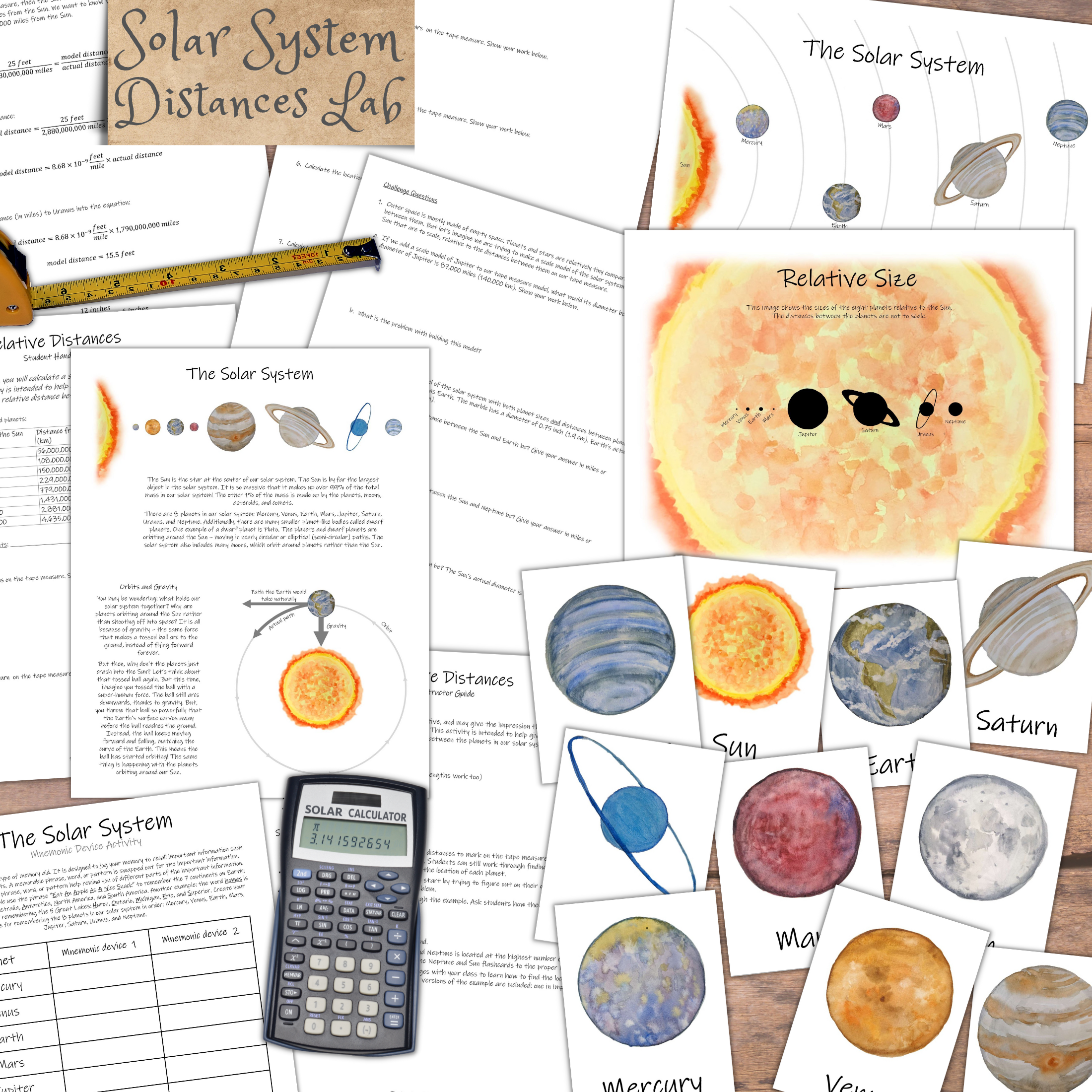
Looking for more ways to explore outer space in your classroom or homeschool? Try this solar system distances lab or this constellations snack activity. You can also check out this list of 11 outer space activity ideas and this guide to 9 sun and star activities!
Everything you need to learn about the night sky:
Trying to plan the perfect Night Sky lesson for your classroom or homeschool to go along with your night sky field trip? I’ve already created it for you! This set includes all the printable materials you need for studying night sky objects and outer space!


Explore more lessons from Wild Earth Lab:
If you enjoyed this post, I know you will love trying my other printable science and nature units in your classroom too!


Are you interested in reading more posts like this? Subscribe or follow Wild Earth Lab using the links below!
One reply on “Stargazing Guide: Plan a Night Sky Field Trip for Kids”
What a great activity for kids! Thank you for sharing.