

Wild Earth Lab is supported by readers like you. This post includes links to my own products and affiliate products. If you purchase through links on my site, I may earn a small commission at no additional cost to you.
The change from daytime to nighttime creates a world of difference for animals. Wildlife biologists sort animals into three categories based on the time of day when they are most active. Diurnal animals are most active during the daytime. Nocturnal animals are most active at night. There is also a third, less well-known category: crepuscular animals. Crepuscular animals are most active at dusk and dawn.


These categories are not always clear-cut. Animals may shift between categories depending on conditions. For example, some animals that are normally nocturnal or diurnal become crepuscular for part of the year to avoid extreme heat or extreme cold.
Additionally, animals will adjust their behavior depending on their habitat. An animal species that is crepuscular in a mild climate may be fully nocturnal in hotter parts of its range to avoid overheating. Furthermore, human activity impacts the behaviors of animals, including the times of day when animals are most active. Wild and domestic animals living in close quarters with humans may alter their natural patterns of activity and rest.
Let’s take a closer look at nocturnal, diurnal, and crepuscular animals!
Nocturnal Animals


Nocturnal animals are most active at night!
Benefits: coolest temperatures to prevent overheating; prey can avoid diurnal predators like hawks and eagles
Challenges: difficulties seeing in the dark for some animals; in winter or in cold climates, it is difficult to stay warm enough at nighttime; nocturnal predators like owls are active
Examples: bats, owls, some rodents, raccoons, moths, badgers, some frogs and toads, geckos
Diurnal Animals


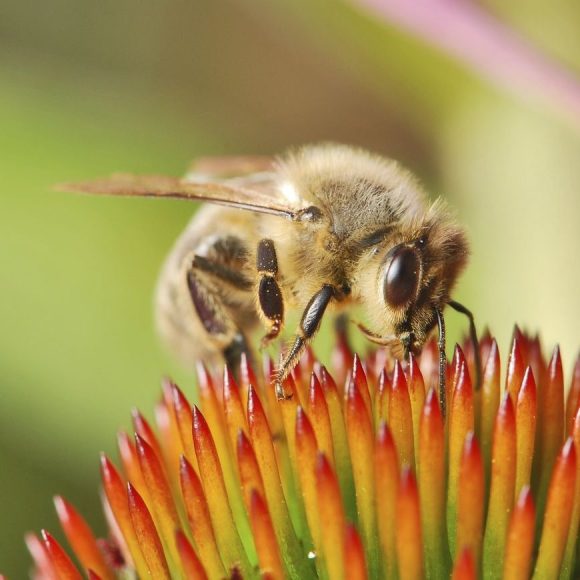


Diurnal animals are most active in the daytime!
Benefits: full daylight makes it easy to see; easy time to stay warm enough; prey can avoid nocturnal predators like owls
Challenges: in summer or hot climates, it is easiest to overheat during the daytime; diurnal predators like hawks and eagles are active
Examples: many snakes and other reptiles, hummingbirds, hawks, eagles, falcons, ducks, bees, butterflies, moose

Crepuscular Animals


Crepuscular animals are most active during twilight – at dusk and/or dawn!
Benefits: cooler temperature than daytime; partial light for visibility
Challenges: for prey animals, many predators are also active at this time
Examples: deer, cougars, some rabbits and hares, some songbirds, coyotes, foxes, some beetles, some frogs and toads
Nature Journaling Activity


Head out to a natural area in the middle of the day. Sit for 10-15 minutes as you look and listen for animals that are active during the day. Make a list of all the diurnal animals that you observed. Then brainstorm some benefits and drawbacks of being active during the daytime.
Repeat this exercise at either dawn or dusk to observe crepuscular animals, and at night to observe nocturnal animals. Compare your lists.
New to nature journaling? There are many wonderful options for guided nature journals and hand-made notebooks on Etsy. Here are a few popular options to help get you started with nature journaling:
- Nature journal for kids (various grade levels available) – guided
- A beautiful bird-watching log for birders – unguided
- Personalized kids’ natural journal – guided w/ prompts
- Personalized refillable leather notebook – blank journal
Studying Animal Adaptations?
Animal adaptations (including nocturnal, diurnal, and crepuscular activities) is one of many topics covered in my Desert Unit! Your students will love this illustrated activity set, plus you’ll support Wild Earth Lab with your unit purchase!


More Units from Wild Earth Lab:


Are you interested in reading more posts like this? Subscribe or follow Wild Earth Lab using the links below!
3 replies on “Nocturnal, Diurnal, and Crepuscular Animals: differences explained, plus examples !”
[…] students about nocturnal animals. Then draw your favorite nocturnal animals on scratch art boards. Owls, bats, raccoons, and […]
[…] important aspects to consider regarding a hamster’s environment. Especially because hamsters are nocturnal/crepuscular and spend a lot of time hidden in their burrows, there won’t always be supervision during their […]
[…] like birds and bigger mammals are out mostly in the day. By staying hidden until evening, newts have a much better chance of not being […]